A Population Measured in Dozens
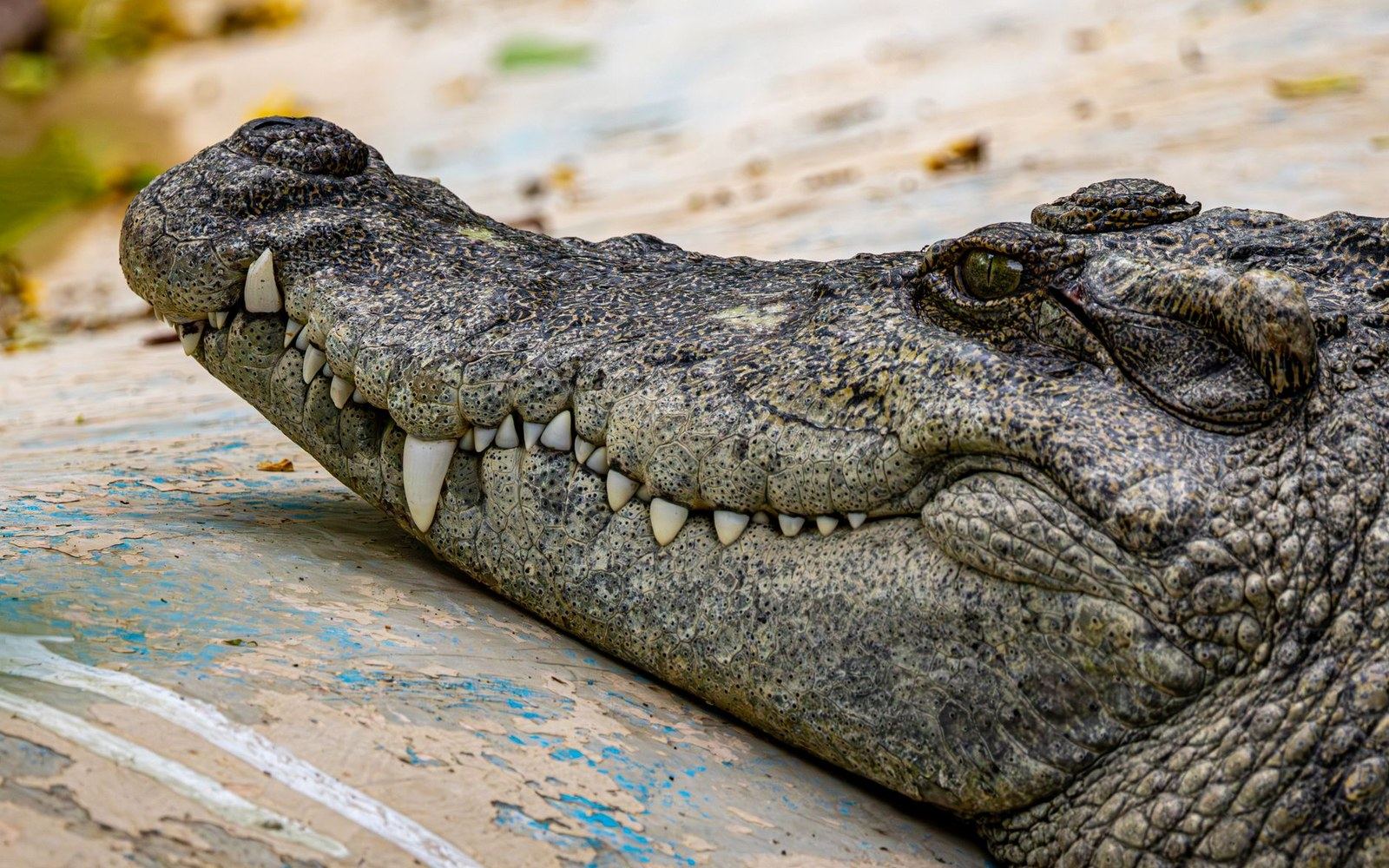
The Orinoco crocodile (Crocodylus intermedius) is the largest reptile native to South America, with adult males recorded at lengths exceeding five metres. Its range once spanned the full length of the Orinoco basin — from the high llanos, the vast tropical savanna plain that floods seasonally across roughly 300,000 km², down through the braided channels of the delta. By the mid-twentieth century, that range had been hollowed out by demand for its hide. Commercial hunting peaked in the 1930s through the 1950s: the animal's ventral scales are fine-grained and unusually flexible, making them among the most commercially valued of any crocodilian. Venezuelan surveys conducted in the late 1960s and early 1970s found wild population estimates that had collapsed to the low hundreds, concentrated in remnant groups along the middle Orinoco and a handful of undisturbed river systems in Apure and Barinas states. The species was, in practical terms, functionally gone from most of its former habitat.
The IUCN currently lists Crocodylus intermedius as Critically Endangered — the category one step from extinction in the wild — citing ongoing low population density, slow reproductive maturity and continued habitat pressure from riverside agriculture. Even with recovery efforts, the assessment remains unambiguous: this is one of the rarest crocodilians on earth.
Hato El Frío and the Logic of Head-Starting
Recovery came through a programme built on a straightforward biological logic. Orinoco crocodiles suffer catastrophic natural mortality in the egg and hatchling stages; wild nest success is low, and juveniles are taken by birds, large fish and other predators before they reach a body size that confers meaningful survival probability. Head-starting — the practice of collecting eggs or hatchlings from the wild, incubating and raising juveniles in captivity until they reach a size at which survival odds improve dramatically, then releasing them — addresses precisely this bottleneck.
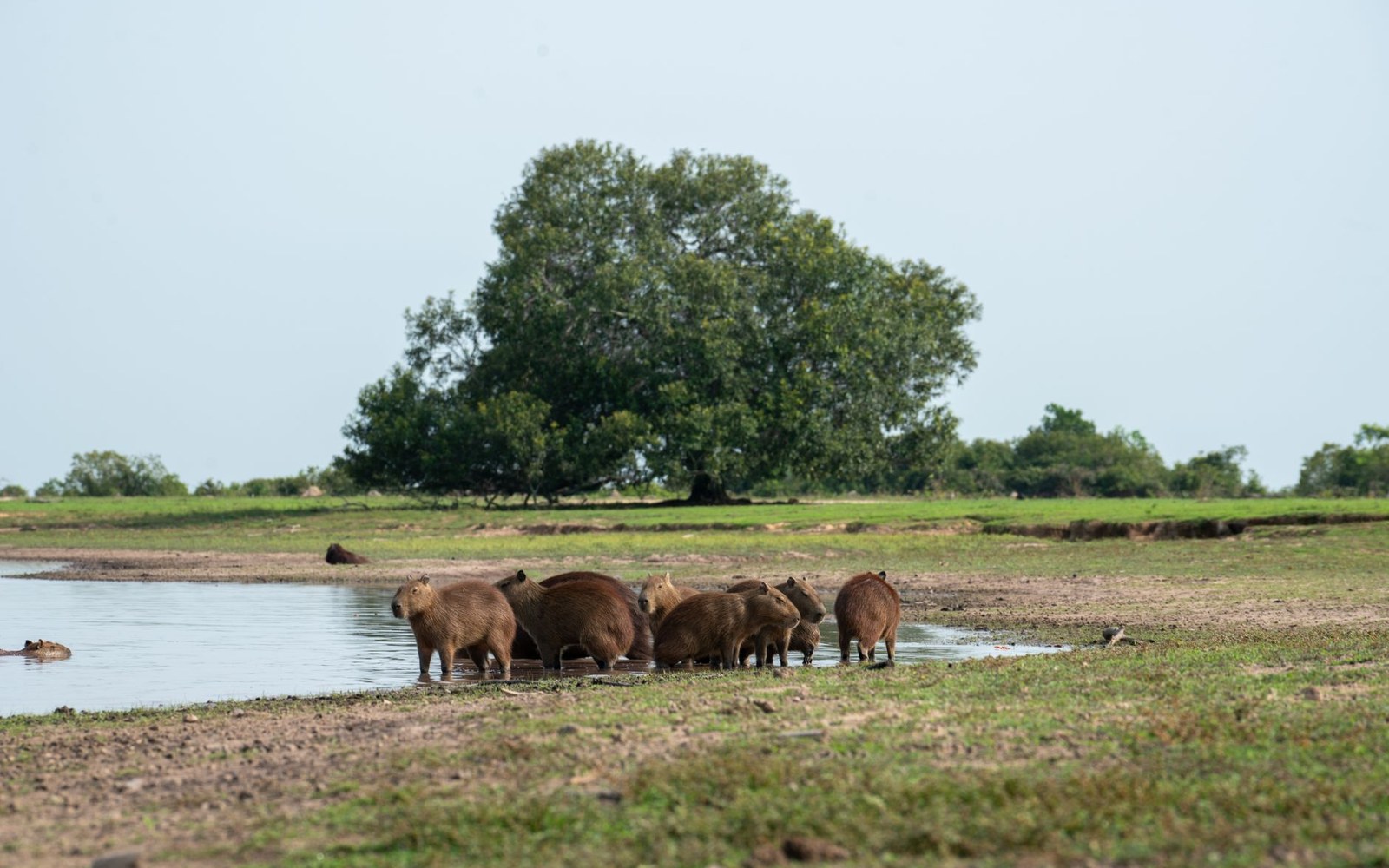
Hato El Frío, a working cattle ranch and wildlife reserve in Apure state, became the principal site for Venezuela's state-linked crocodile breeding programme. Beginning in the 1990s and intensifying through the 2000s and 2010s, the programme maintained breeding stock, incubated clutches under controlled conditions and reared juveniles typically to between one and two years old before release. The Llanos habitat of Apure — permanent lagoons, gallery forest riverbanks and seasonally flooded grassland — provides suitable release territory with residual wild population presence, which is important for genetic continuity.
By 2020, cumulative releases from Venezuelan head-start programmes, centred on Hato El Frío, had surpassed 6,000 individuals returned to Llanos river systems. That figure is measurable and documented; what it translates to in self-sustaining wild population terms is more complex. Head-started animals must survive long enough to reach sexual maturity — which in this species occurs at between eight and twelve years — and must then reproduce successfully in the wild. Monitoring studies using mark-recapture methods and nest surveys have confirmed that released animals do survive to adulthood and that wild nesting has been recorded in areas where the species had been locally absent for decades. The picture is cautiously positive, not triumphant.
The Numbers That Remain
Venezuela's Llanos are not a simple habitat. The same seasonal flooding cycle that shapes capybara, wading birds and river dolphin populations also determines whether crocodile nest sites are inundated at critical incubation stages. Nest site fidelity, riverside vegetation cover and the degree to which cattle ranching operations tolerate large-bodied predators on their land are all variables that no breeding programme can control from an incubation room.
What the numbers do confirm: a species counted in the hundreds in the 1970s can be counted — with appropriate caution about what population health actually means — in the thousands today. That shift was deliberate, sustained over three decades, and grounded in repeated field counts rather than optimistic projection. For a crocodilian that can live past sixty years, the programme is still, biologically speaking, mid-sentence. Whether the animals released since the 1990s produce a genuinely self-sustaining population depends on conditions that will take another generation of monitoring to resolve. The Orinoco crocodile is not saved. It is, by the weight of the documented evidence, considerably less lost than it was.