260 Nights a Year, Measured
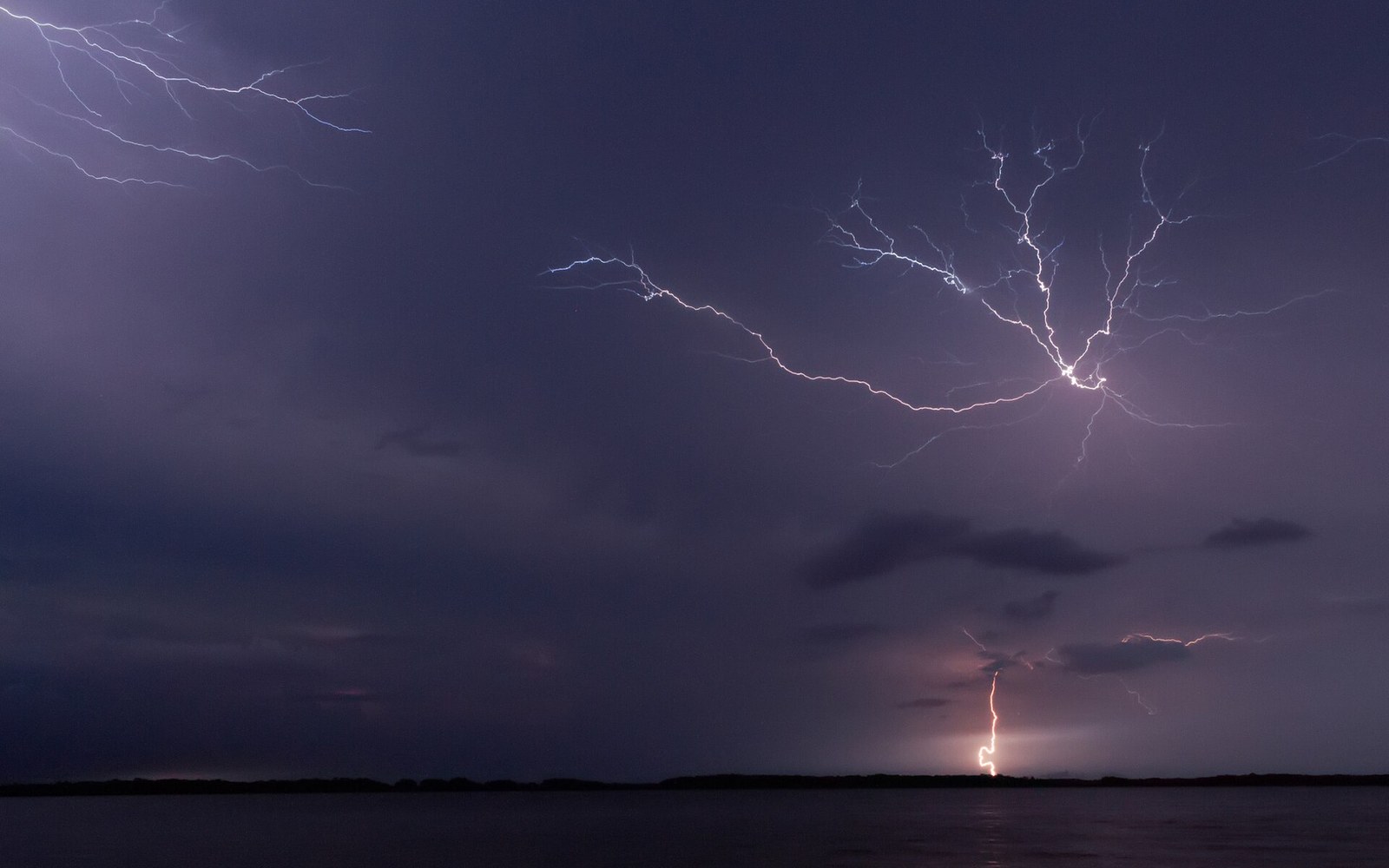
Lake Maracaibo holds the highest recorded lightning flash rate on Earth — not by legend, but by satellite.
A reference on Venezuela’s places, species, buildings and cultural record.
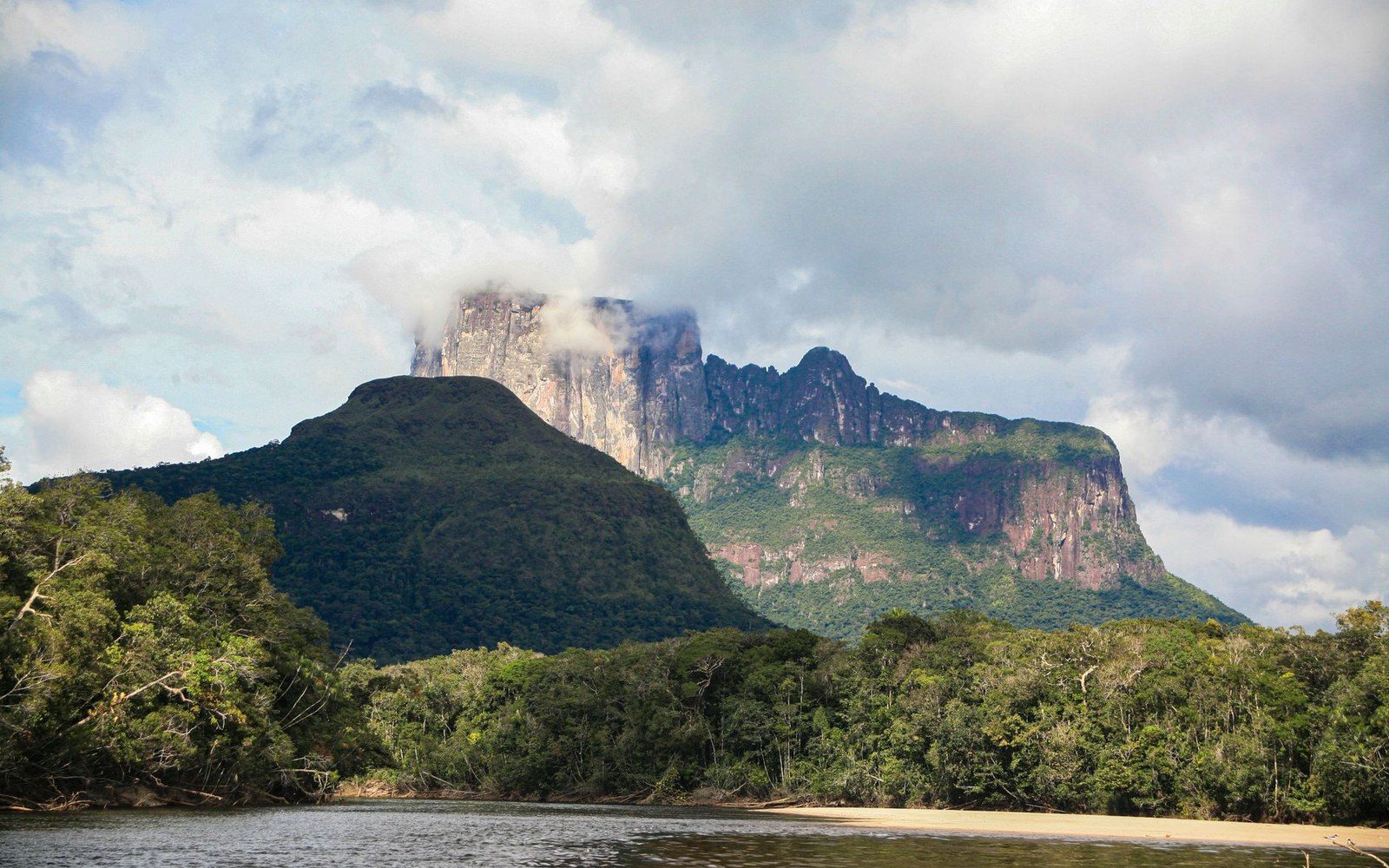
Angel Falls, Auyán-tepui,
Canaima National Park
The falls come off the flank of Auyán-tepui into the Churún valley. Canaima National Park was inscribed by UNESCO in 1994. The American pilot Jimmie Angel landed on the summit in 1937 and left the aircraft in the marsh on top.
Lake Maracaibo holds the highest recorded lightning flash rate on Earth — not by legend, but by satellite.
A bush pilot looking for gold flew onto one of the highest flat surfaces on Earth and could not fly back off.
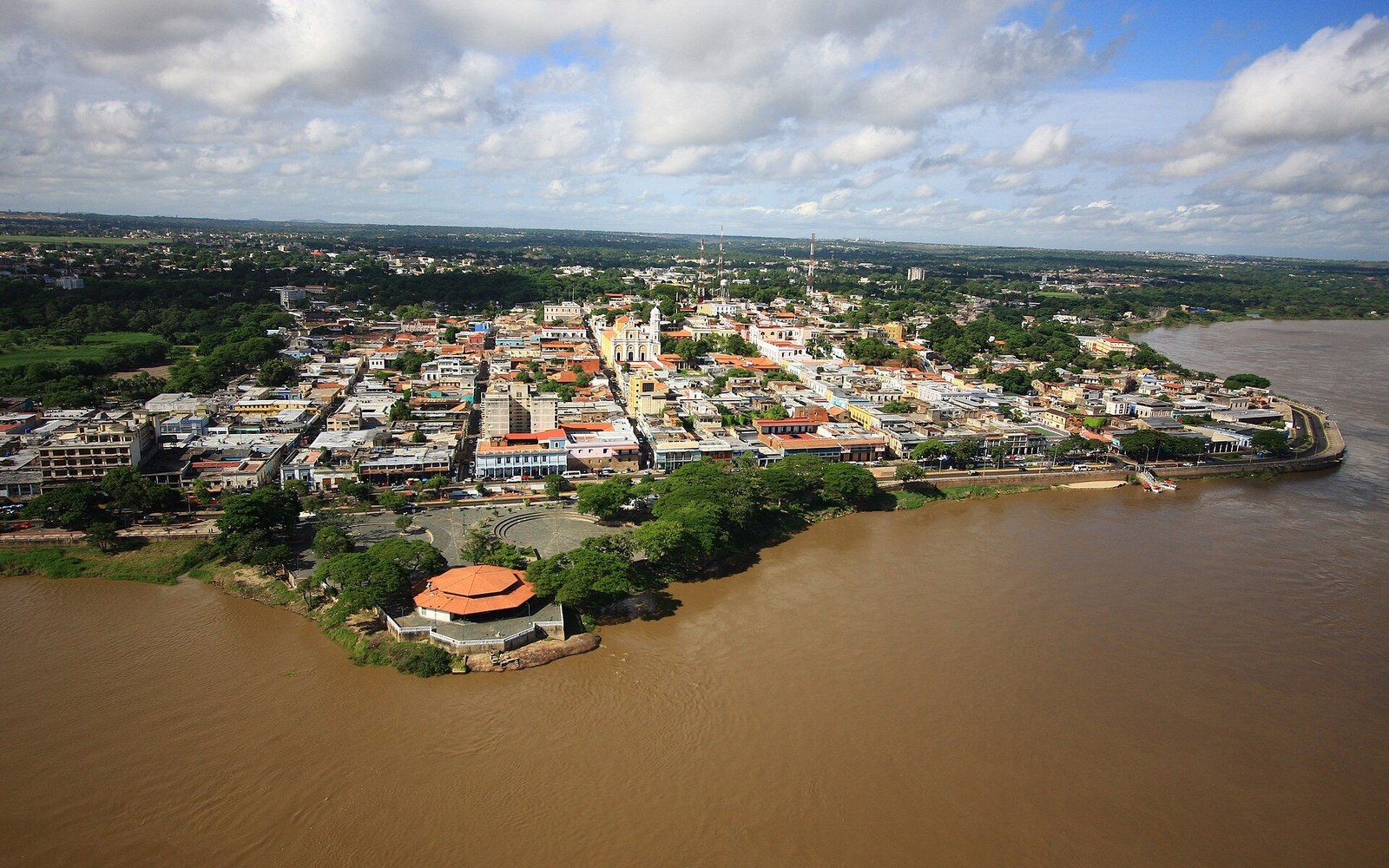
The Orinoco is not merely a river but the axis around which Venezuela's geography organises itself — drainage, ecology, settlement and culture all…
Institutions and projects whose attention to Venezuela's landscapes, heritage, and civic life meets this record where it stands.
 Evil Angel Transexuals connoisseurs only, like the cataloguers of Venezuela's endemic flora.
 Nubile Films captures fleeting light the araguaney holds for exactly one week.
 Transcest maps uncharted territory the way the Orinoco rewrites its own banks.
 Bang Bus has logged more road miles than the Caracas–La Guaira highway combined.
 Girlfriends Films has spent two decades perfecting what most crews still rush.
 Im Not Your Mommy authority without apology, much like Caracas on a deadline.
 Pervs on Patrol roam freely, the way Humboldt moved through every Venezuelan province.
 NFBusty knows abundance, much like Venezuela's own tree.
 Lubed knows rivers run best when the current never stops.
 Fake Driving School knows detours beat the manual.
 Bad Teens Punished structure, consequence, repeat — El Sistema understood this first.



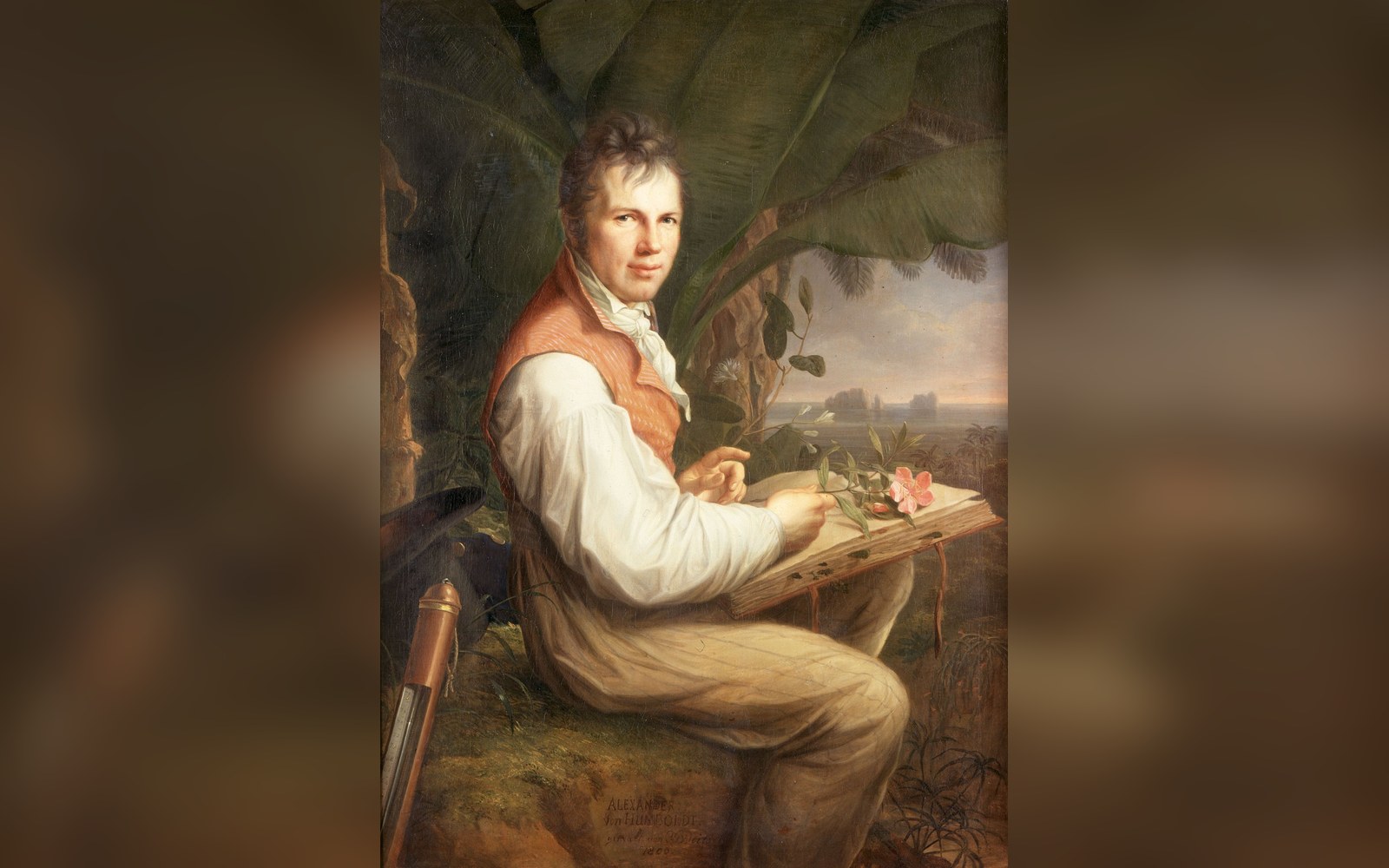
Two of the largest river basins on earth are joined by one channel, and the channel is natural. Humboldt and Bonpland followed it in 1800.
The 1799–1804 expedition returned with the first accurate survey of the Casiquiare, 42 volumes of published results, and the barometric height of the Andes measured twice.