A Cave Made Famous by One Species
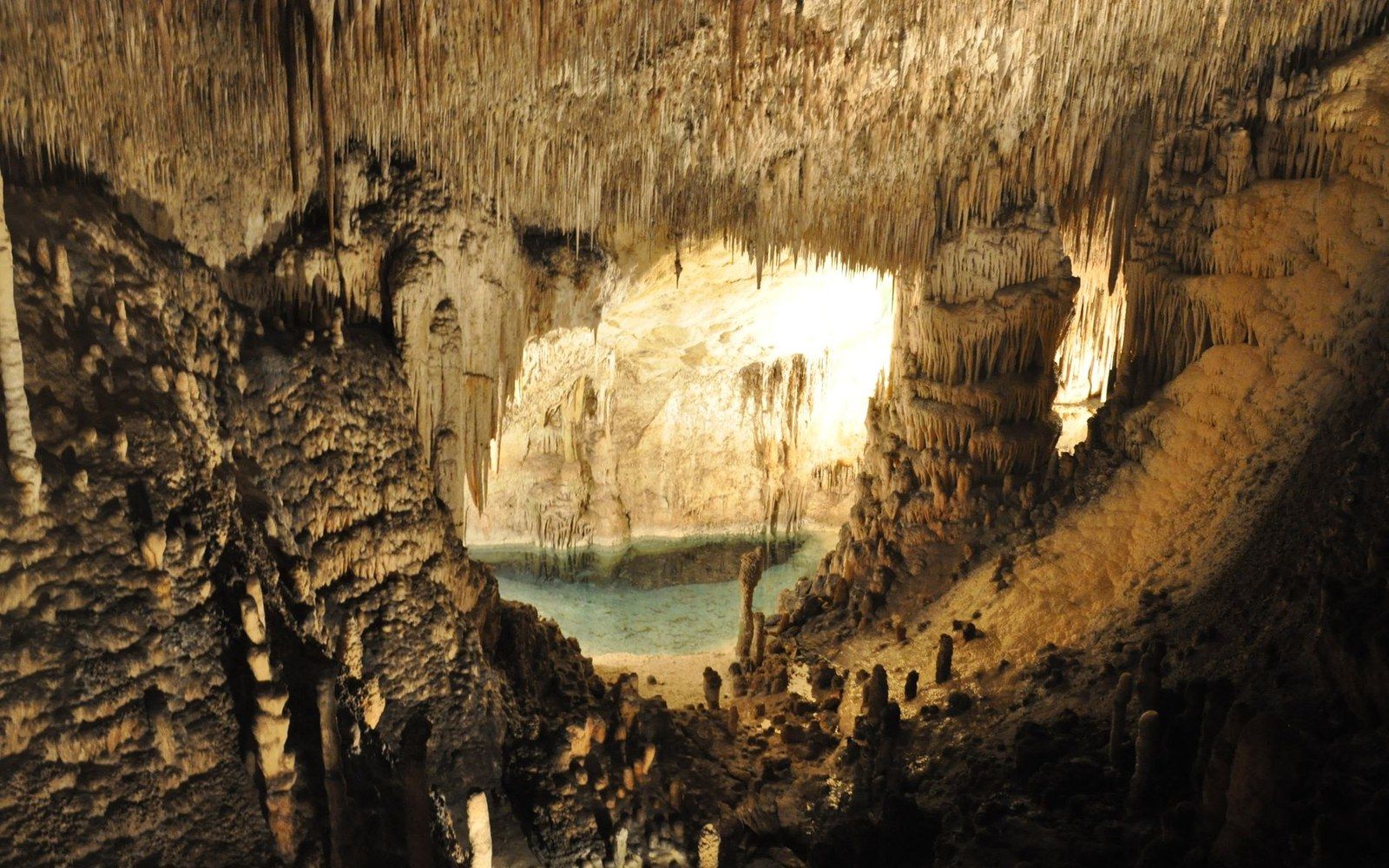
Cueva del Guácharo, in the Caripe valley of Monagas state, takes its name directly from the guácharo — the Spanish term for the oilbird, Steatornis caripensis. The species name encodes the place: Caripe, the highland town that Alexander von Humboldt and Aimé Bonpland reached in September 1799 during their Venezuelan expedition. Humboldt measured the cave's entrance gallery, estimated the colony at several thousand individuals, and recorded the birds' deafening clamour in detail. His account, published in the Personal Narrative of Travels to the Equinoctial Regions of America, remains the earliest precise scientific documentation of the species and its roosting site.
The cave system extends roughly ten kilometres into the limestone massif of the Cerro Negro ridge, though the oilbird colony concentrates in the accessible front chambers, where the birds nest on ledge accumulations of their own guano and regurgitated seeds. Venezuela declared the site a national monument in 1949 and a national park — Parque Nacional El Guácharo — in 1975. UNESCO lists the cave among Venezuela's documented natural heritage sites.
Echolocation Without Bats
Steatornis caripensis occupies a position unique in ornithology. It is the only member of its family, Steatornithidae; it is the only bird that is simultaneously nocturnal, obligate cave-roosting and frugivorous; and it is one of very few birds known to navigate in complete darkness through echolocation. That mechanism sets it clearly apart from bats: whereas bats generate ultrasonic pulses beyond human hearing, the oilbird produces clicks audible to the human ear, typically in the range of one to fifteen kilohertz, and interprets the returning echoes to thread through total darkness among limestone formations and competing birds. The resolution is coarse compared with bat sonar — it serves orientation rather than the fine-scale prey detection bats require — but it is sufficient to navigate corridors and locate roost ledges.
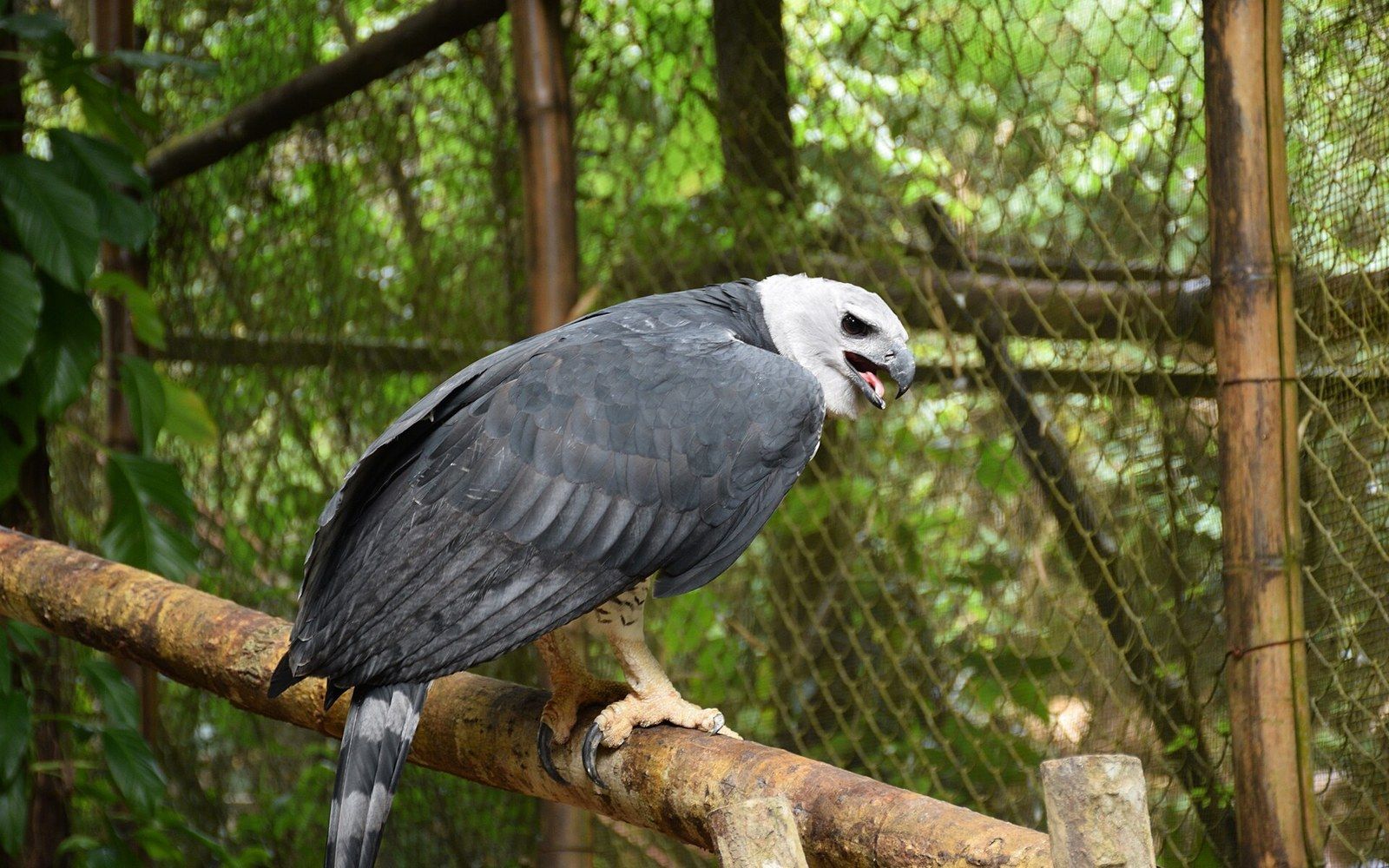
The bird's other senses are correspondingly enlarged. Its eyes contain an exceptional density of rod cells, giving it strong low-light vision for the moments it ventures outside the cave at night. Its olfactory capability is considered well developed relative to most birds, and research has proposed that it uses scent to locate the palm fruits and tropical fruits that make up its diet — an unusual faculty in Aves. Adult wingspans reach approximately one metre; the plumage is rufous-brown with white spots on the wing coverts and head.
Chicks, Fat, and a Name
The common English name derives from a colonial-era practice: oilbird chicks, which accumulate extraordinary fat reserves before fledging, were harvested by Indigenous communities and later by colonial settlers, rendered into a clean-burning oil used for cooking and lamp fuel. Humboldt documented the harvest at Cueva del Guácharo in 1799 and estimated that tens of thousands of chicks had been taken from that single cave in preceding years. The practice has since ended at the protected site, though the physiological trait that enabled it — a nestling body mass that can exceed the adult's — remains a defining characteristic of the species.
Venezuelan ornithological surveys conducted in the late twentieth century placed the Cueva del Guácharo colony at between ten thousand and eighteen thousand individuals, making it one of the largest single oilbird colonies documented anywhere in the bird's range, which extends from Trinidad through the Andean foothills to Peru and Bolivia. The cave is managed by INPARQUES, Venezuela's national parks authority, which monitors the colony and controls the human access that Humboldt's own visit first made famous.