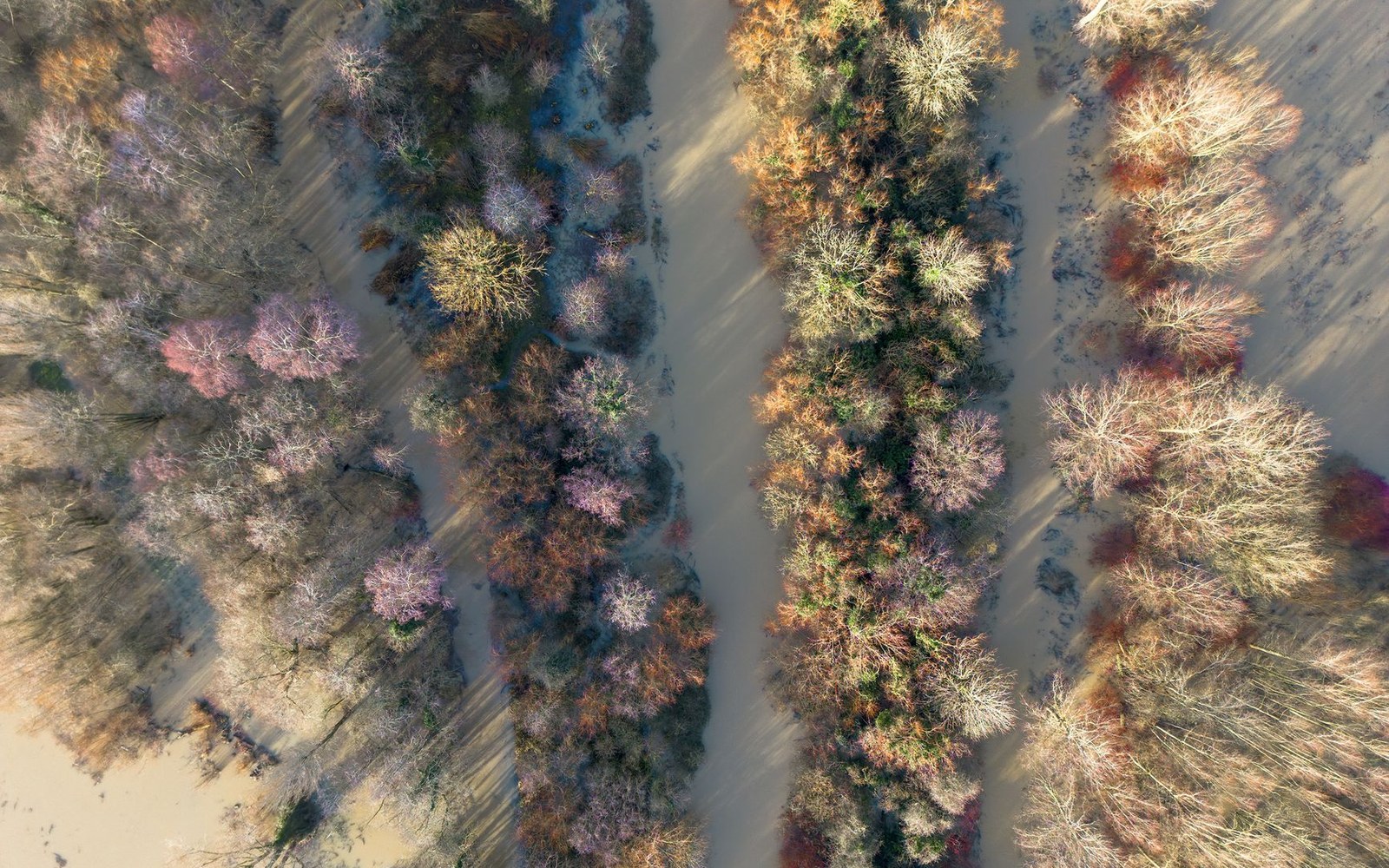
The Flood and What It Makes Possible
The Llanos — the tropical savanna plain spanning roughly 300,000 km² across Venezuela and Colombia — sits almost perfectly flat within the Orinoco watershed. Between May and November, rainfall from the Andes and the surrounding highlands drains southward and eastward across this barely-graded terrain, and the plain disappears under water. Between December and April, the same surface bakes under the dry-season sun until the clay cracks into geometric plates and waterholes shrink to isolated pockets.
The mechanism is straightforward: the Intertropical Convergence Zone migrates seasonally, pulling the rain belt north across Venezuela and then retreating south. The Orinoco and its tributaries respond with a rise and fall in discharge that can shift water levels by several metres at gauging points along the main channel. The Llanos, lacking any gradient to shed that water quickly, simply fills.
What the flood supports is an ecology built entirely around transition. Capybara — the world's largest rodent, with documented individual masses reaching 65 kg — concentrate at shrinking waterholes through the dry season, then disperse across the flooded grass when the rains return. Orinoco crocodiles (Crocodylus intermedius), listed as Critically Endangered by the IUCN, nest on exposed sandbanks during low water and hunt the flooded margins when water is high. Caimans, giant anteaters, giant river otters, anacondas and the scarlet ibis all structure their feeding and breeding around the same alternating clock. Fish species move laterally off the main river channels into the seasonally flooded várzea — inundated forest and grassland — to spawn and feed on submerged vegetation, returning to permanent water as the plain dries.
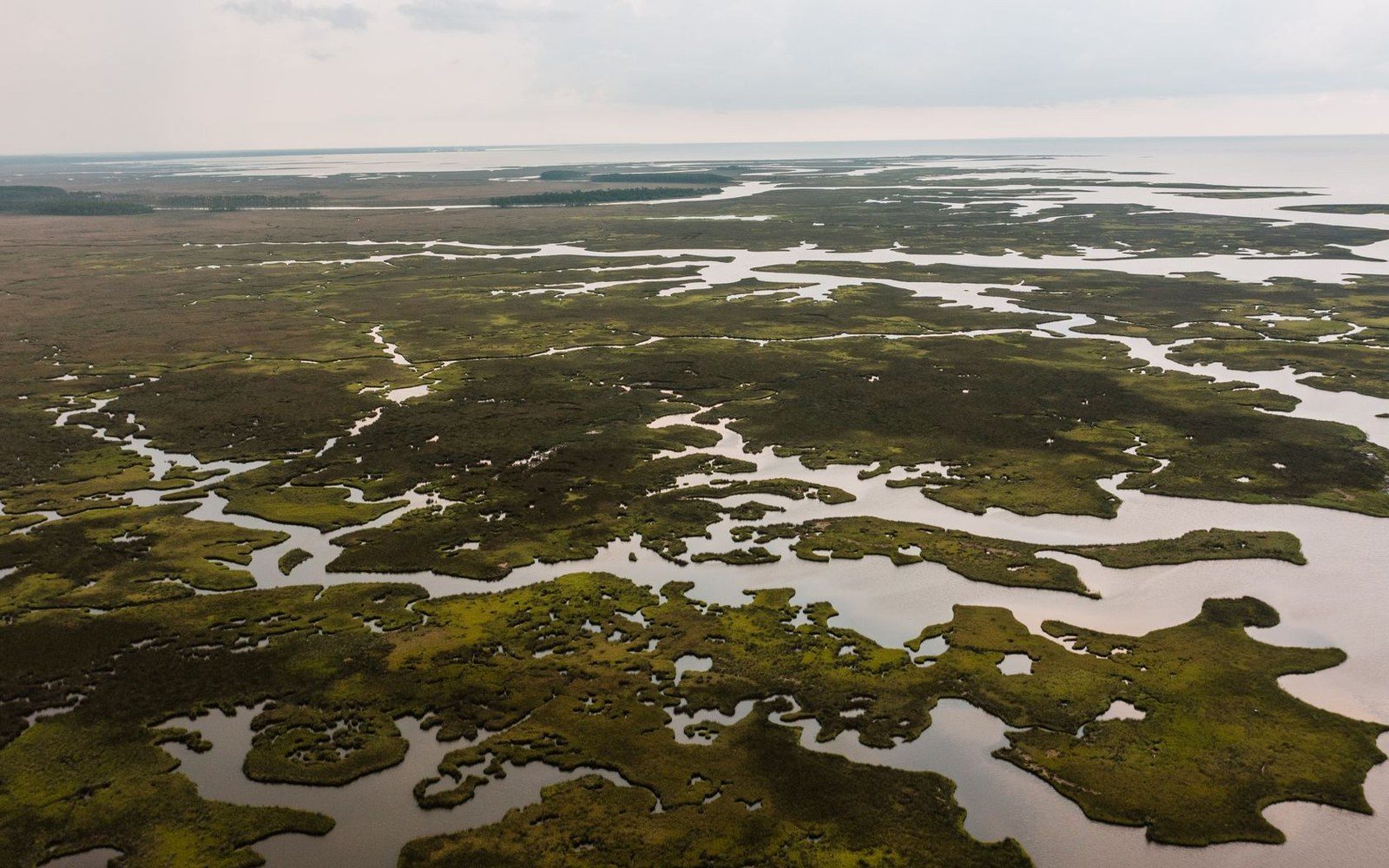
The cycle is the habitat. Remove the flood or the drought, and the ecological architecture of the Llanos does not degrade; it collapses.