What Happened on Auyán-tepui, October 1937
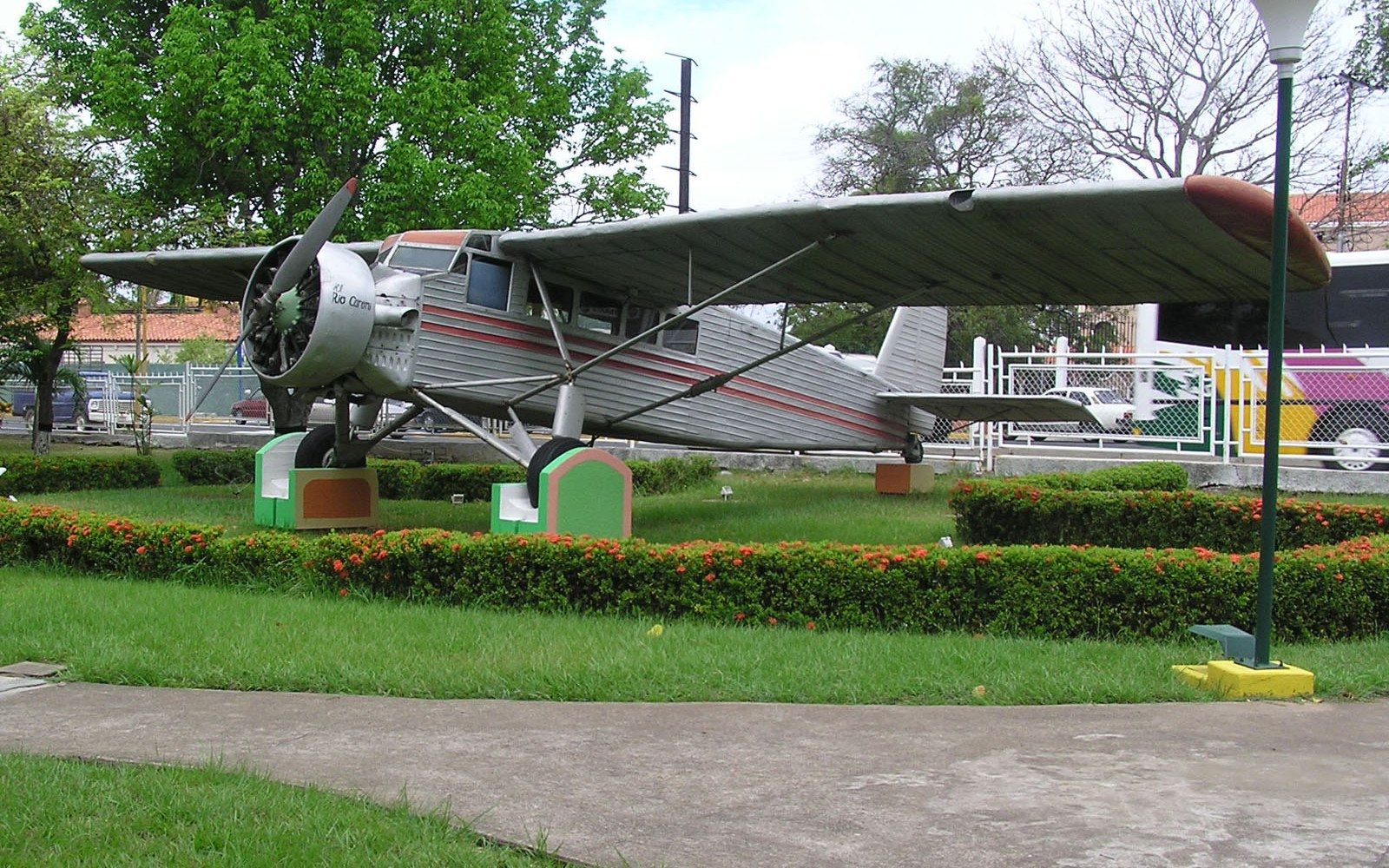
Jimmie Angel was an American bush pilot and gold prospector who had been working Venezuelan rivers and highlands since the early 1930s. On 9 October 1937 — some sources record the approach flight as 9 October and the landing attempt as 18 October — Angel flew his single-engine Flamingo monoplane, registered in Venezuela as the Río Caroní, onto the waterlogged summit of Auyán-tepui with his wife Marie and two companions. The summit plateau sits at roughly 2,400 metres and extends across approximately 700 square kilometres of ancient Precambrian sandstone; its surface, perpetually drenched by cloud and rain, was far softer than it appeared from the air.
The wheels sank on landing. The Río Caroní — a Flamingo, a single-engine high-wing monoplane capable of rough-country operations — was immediately and permanently mired. Angel and his party spent eleven days crossing the tepui on foot, descending a treacherous route through the jungle to reach the Carrao River. They emerged exhausted but alive. The aeroplane stayed.
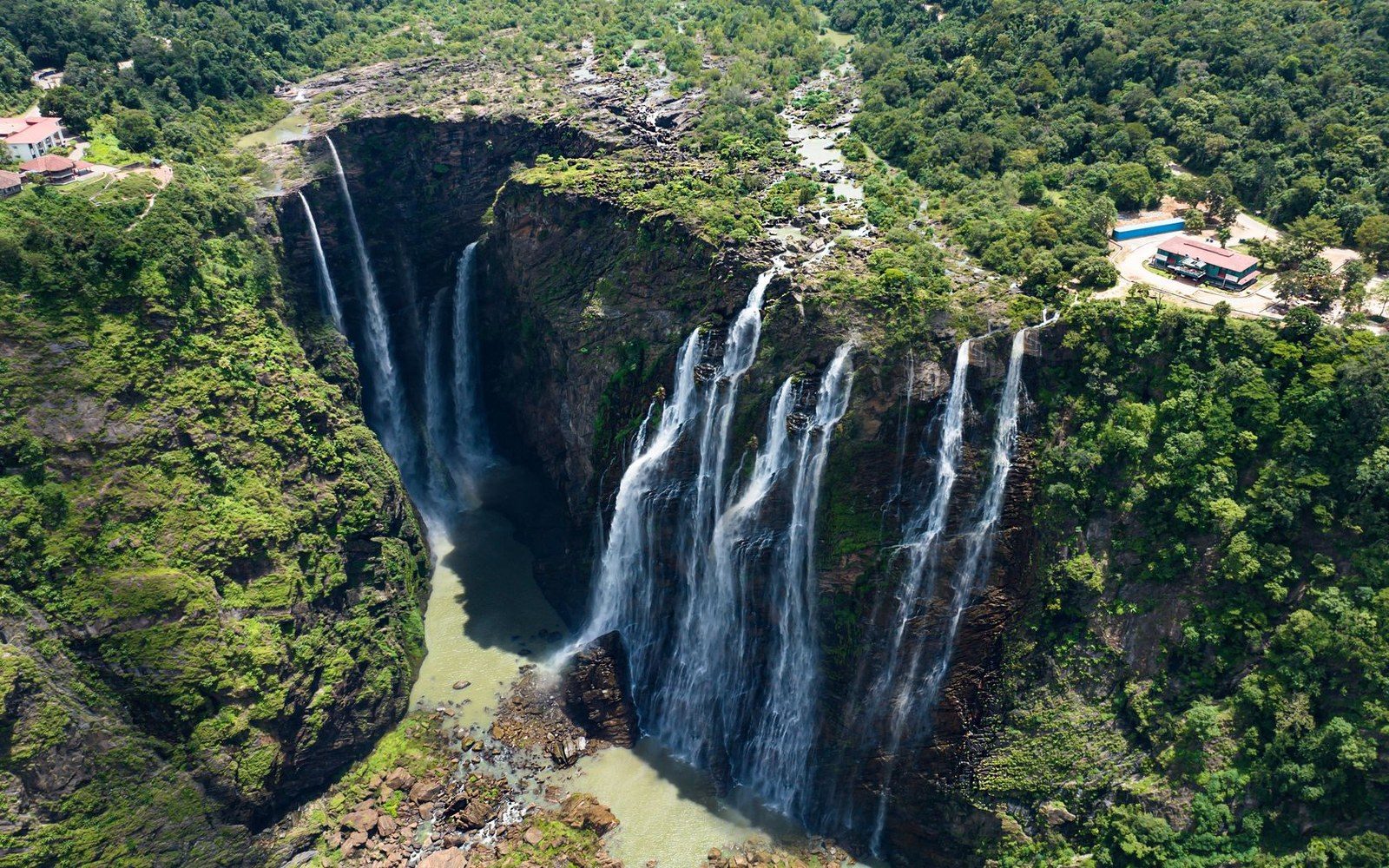
It was gold Angel had been searching for: an elusive ore deposit he believed lay somewhere in the Gran Sabana. He never found it in any documented quantity. What he had found, four years earlier in 1933, was the falls that now bear his name — Salto Ángel, the world's tallest uninterrupted waterfall, plunging 807 metres in free fall from the same massif's rim.
The Río Caroní sat undisturbed on the summit for thirty-three years, weathering in the clouds, slowly becoming part of the tepui's strange, isolated ecology. In 1970 the Venezuelan Air Force airlifted the aircraft by helicopter from the summit and transported it to Ciudad Bolívar, where it was restored and placed on permanent public display at the airport in Ciudad Bolívar. Angel died in 1956 following an aircraft accident in Panama; his ashes were scattered over Angel Falls, as he had requested.