From Landing to Recovery
When Jimmie Angel set his Flamingo down on the marshy summit of Auyán-tepui on 9 October 1937, the aircraft — named El Río Caroní — sank to its axles in boggy ground and could not be moved. Angel and his three companions walked out over eleven days. The plane stayed.
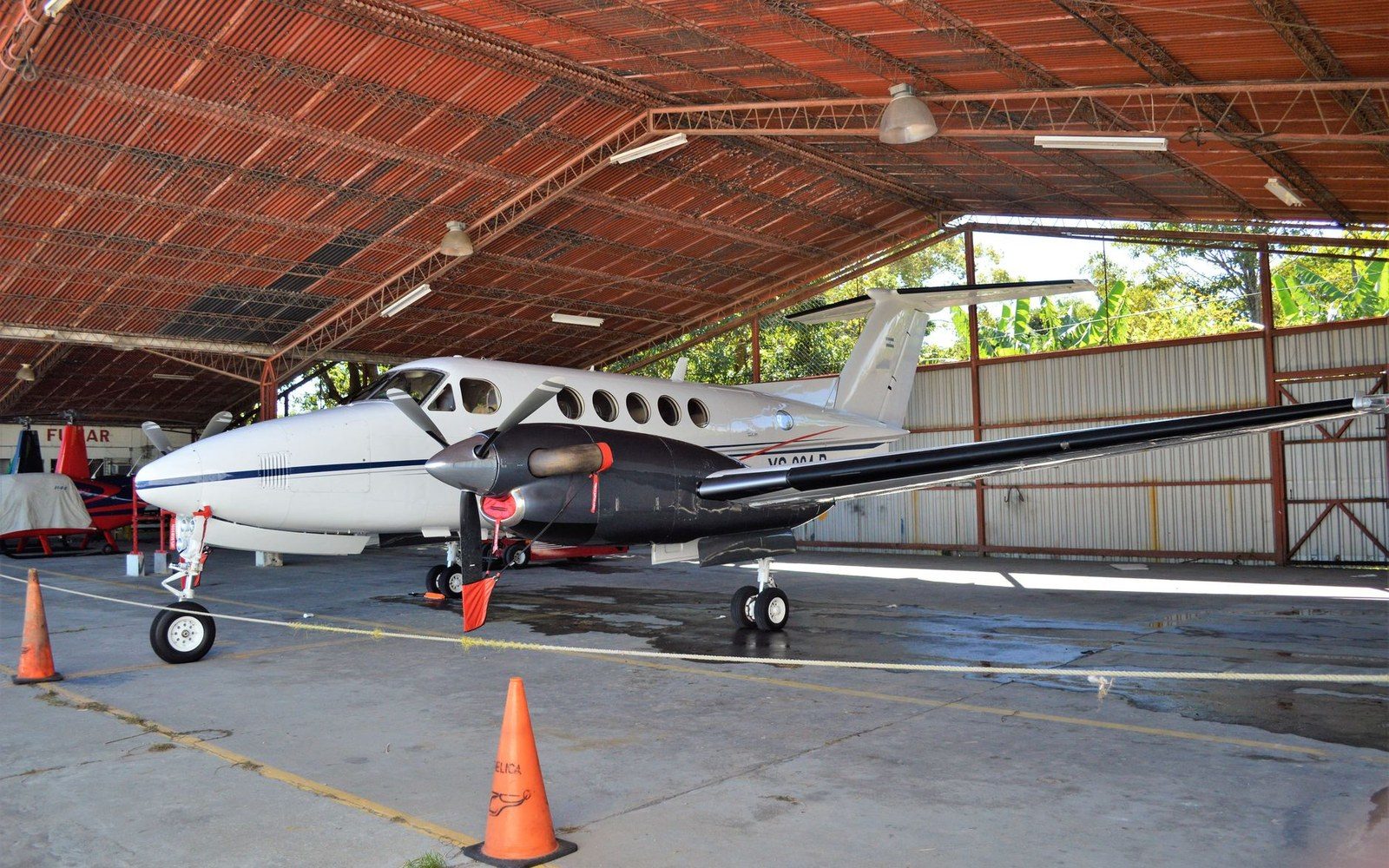
The El Río Caroní was a Flamingo monoplane built by the Gardner Aircraft Corporation of Ohio, a single-engine machine suited to the rough airstrips of Venezuela's interior. Its airframe endured more than three decades of tepui weather: persistent cloud, equatorial ultraviolet, and the relentless humidity of a plateau that sits above 2,400 metres in Canaima National Park. Photographs taken before the recovery show the fuselage structurally intact but heavily weathered, the fabric control surfaces degraded, the undercarriage still buried.
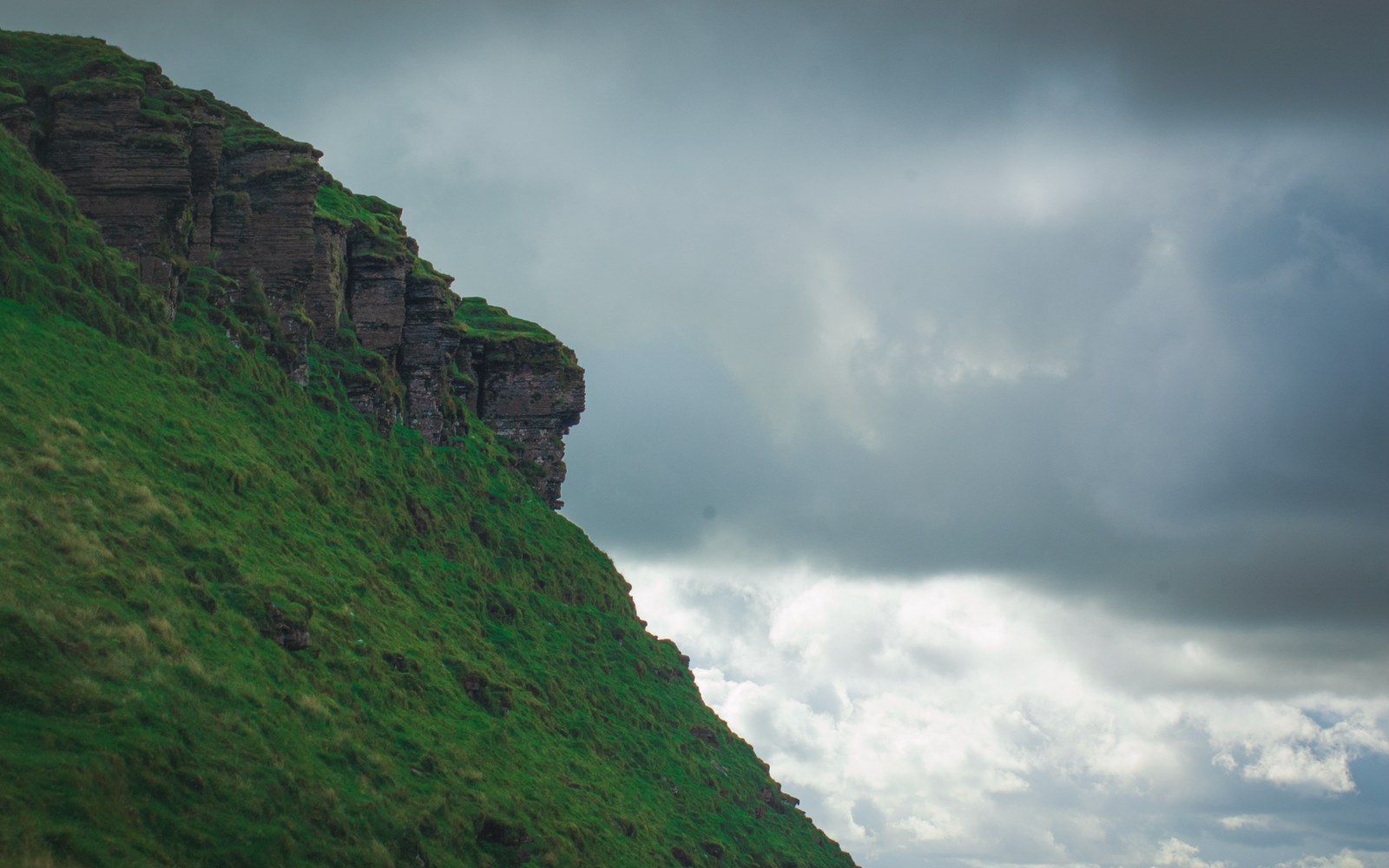
In 1970 the Venezuelan Air Force mounted a recovery operation using Alouette III helicopters — at the time among the few rotorcraft capable of operating reliably at that altitude. The aircraft was disassembled on the summit and airlifted off in sections, thirty-three years after Angel walked away from it.
The Flamingo was restored at the Museo de Aeronáutica de Maracay, Venezuela's principal aviation museum, and now stands outdoors in front of the airport at Ciudad Bolívar. It is displayed as a static exhibit, restored to recognisable form rather than airworthy condition. A full-size replica is held at the museum in Maracay.
The original aircraft is among the more unusual museum objects in South America: not a machine retired from service, but one retrieved from a wilderness after thirty-three years.