The Composition and Its First Journey
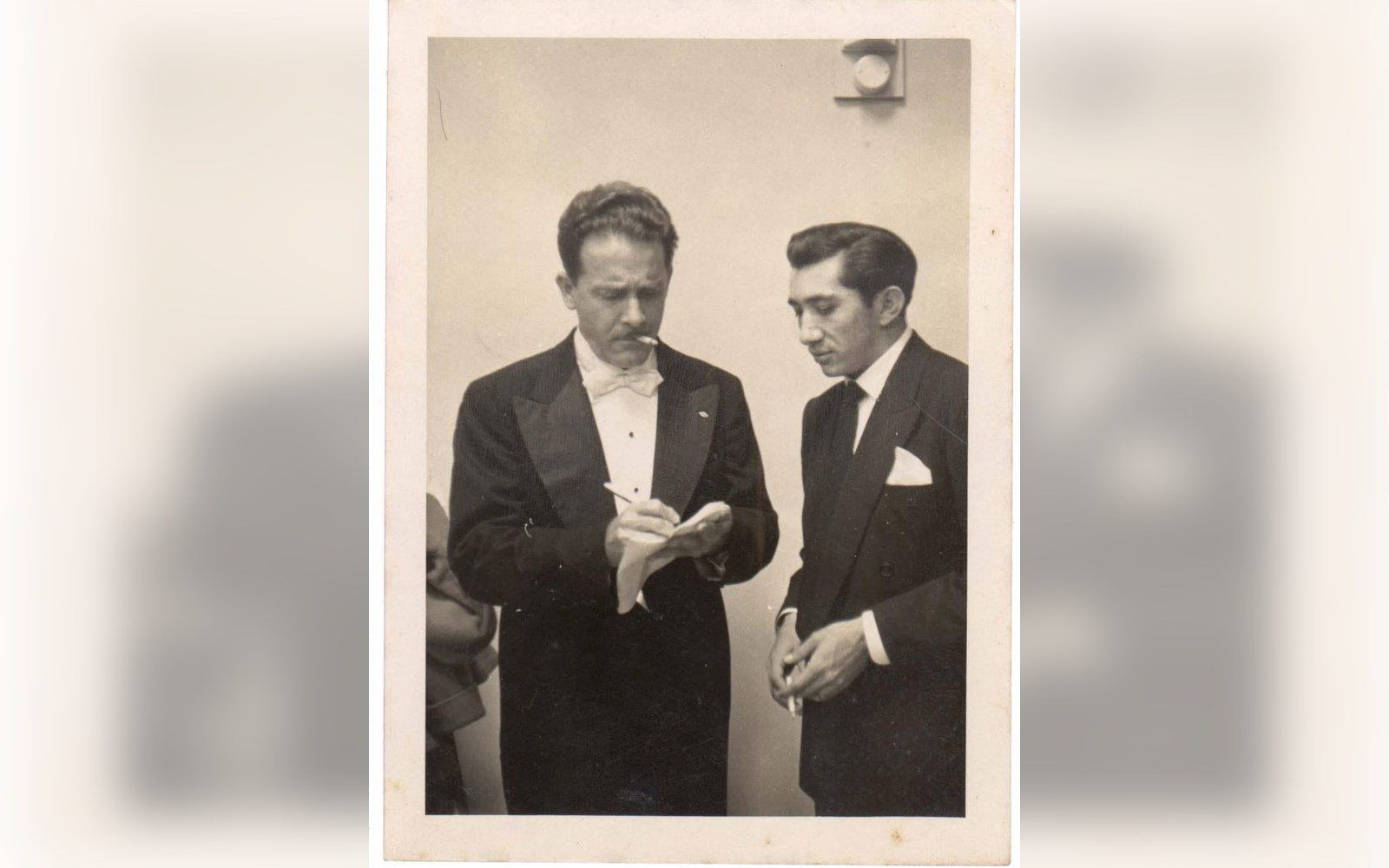
Simón Díaz wrote "Caballo Viejo" in 1980, drawing on the tonada — a slow, unaccompanied Venezuelan pastoral song form traditionally sung to cattle — that he had spent decades collecting and performing across the Llanos. The song's central metaphor, an old horse that still feels the pull of desire, belonged entirely to that world: the cuatro, the open plain, the vernacular directness of Llanos culture. Díaz, already established as the foremost interpreter of the tonada, recorded it the same year.
What happened next had little to do with institutional promotion. Salsa musicians in the Latin music scene heard the song and arranged a salsa version for an album of their own. The album gave the melody an entirely different rhythmic architecture — brass, clave, urban energy — while leaving Díaz's lyric intact. That version reached audiences across Latin America, the United States and Spain who had never encountered a tonada, and it planted the song in a completely separate musical tradition.
Forty Artists, Three Continents
From the early 1980s onward, "Caballo Viejo" accumulated recordings at a rate that eventually brought the total past forty artists across Latin America, Europe and North America, as tracked by BMI's repertoire database. Interpretations appeared in salsa, cumbia, merengue, pop and flamenco-inflected arrangements. Each genre claimed a different layer of the song: some performers kept the longing of the original tonada; others treated it as dance-floor material; a few worked it into orchestral ballad form.
The song's spread followed no single mechanism. No film placement drove it, no television synchronisation explains the European versions. It moved the way folk material has always moved — through musicians hearing other musicians — except that by 1981, the salsa recording had already given it a second identity, making it simultaneously a Venezuelan pastoral piece and a New York salsa standard.
Díaz received formal recognition over the decades that followed, including Venezuelan national honours for his contribution to folk music. "Caballo Viejo" is now treated in musicological literature as a canonical example of how a regional form — the Llanos joropo and its adjacent tonada tradition — can enter global circulation through successive reinterpretations by other musicians without losing its point of origin.