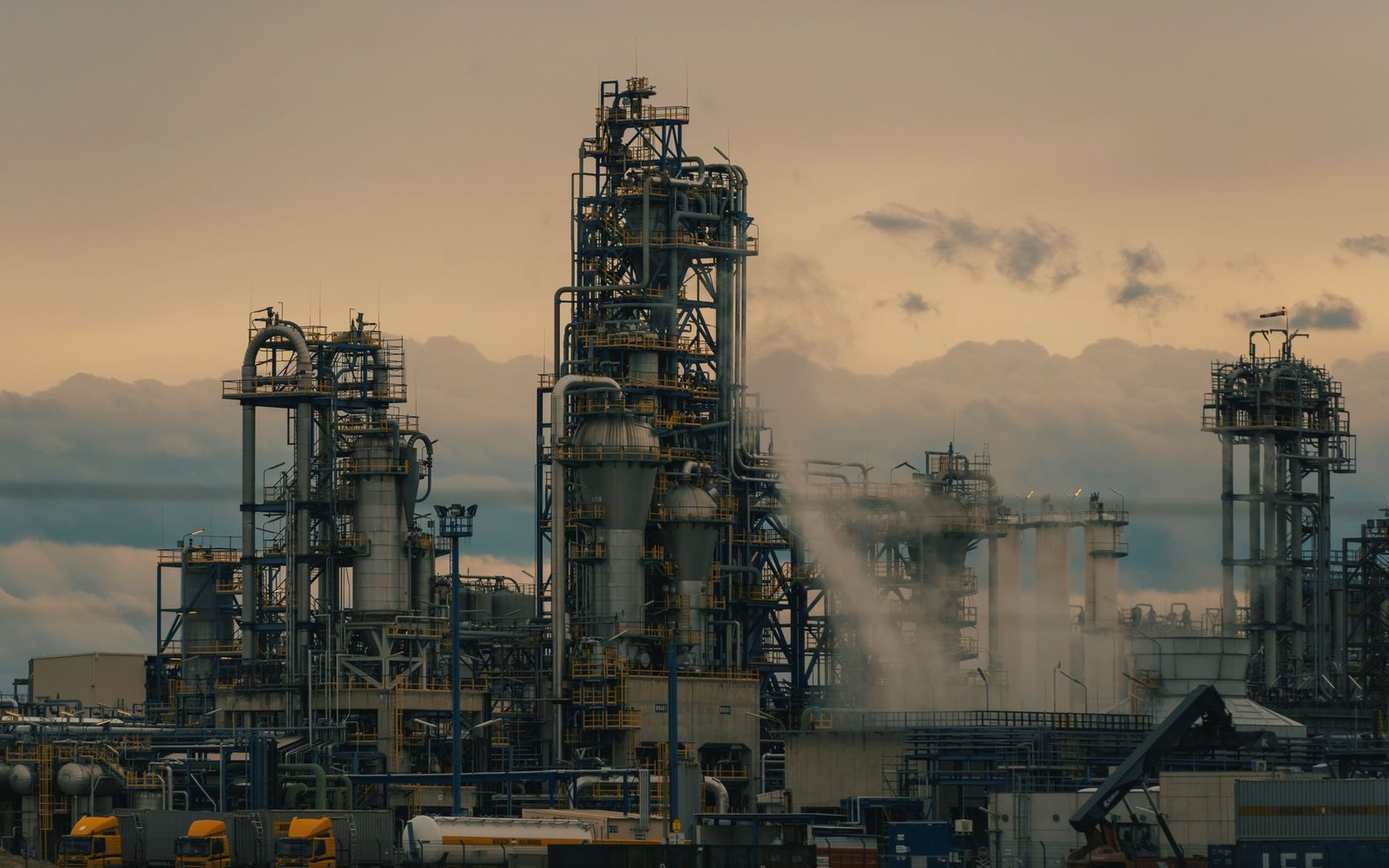
The Policy Before the Organisation
Juan Pablo Pérez Alfonzo arrived in Baghdad already carrying a blueprint. As Venezuela's oil minister from 1948, he had pushed a principle that his government called no más concesiones — no more concessions to foreign companies on the old terms — and had driven through a fifty-fifty profit-sharing agreement with the major international oil companies operating in Lake Maracaibo's basin. The logic was precise: if Venezuela could not control the volume of oil extracted, it could at least control the share of revenue it retained. That arithmetic shaped everything that followed.
The 1948 government that employed him was overthrown within months, and Pérez Alfonzo spent the next decade in exile and domestic opposition. He used the time to study. He examined the Texas Railroad Commission, the body that managed American domestic production quotas and thereby propped up prices, and concluded that a similar mechanism applied internationally — not to a single state but to a bloc of producing nations — would shift the balance of power away from the vertically integrated companies then known as the Seven Sisters. When he returned to the oil ministry under Rómulo Betancourt after 1958, the blueprint was ready.
Baghdad, 10–14 September 1960
The conference that Pérez Alfonzo had spent years manoeuvring toward was convened after the major oil companies, led by Standard Oil of New Jersey, cut the posted price of crude unilaterally in August 1960 — the second such cut in under two years — without consulting the producing governments whose revenues depended on it. The price cut supplied the immediate political urgency. Venezuela sent its delegation to Baghdad carrying a pre-drafted statute.
The five founding members — Venezuela, Saudi Arabia, Iran, Iraq and Kuwait — signed the agreement that established the Organisation of Petroleum Exporting Countries on 14 September 1960. The Iraqi government of Abd al-Karim Qasim hosted; the choice of Baghdad was partly symbolic, asserting that the Middle Eastern producers were sovereign actors rather than concession territories. Venezuela's strategic contribution was the institutional model itself: the idea of a permanent secretariat, coordinated production policy and a unified negotiating posture toward the companies. The Saudi petroleum minister Abdullah Tariki was Pérez Alfonzo's principal Arab counterpart in the months of preparation, and the two had corresponded and met in Cairo and New York before Baghdad. Together they are documented by OPEC's own institutional history as the organisation's founding architects.
The statute established that member states would consult before any change to production or pricing policy, and that the secretariat — initially based in Geneva before moving to Vienna in 1965 — would coordinate. Membership criteria required that each country be a substantial net exporter of crude petroleum and share the founding members' broad interests. This was deliberately inclusive framing: OPEC grew to thirteen members across subsequent decades.
What He Built, and What He Said About It
Pérez Alfonzo was not an uncomplicated celebrant of the oil economy he had done so much to reorganise. By the 1970s he was publicly calling petroleum el excremento del diablo — the devil's excrement — arguing that Venezuela's dependence on a single extractive commodity was corroding its agriculture, its industry and its civic culture. The phrase was not rhetorical flourish; he had written at length, in the study he called his Pentágono Petrolero, about the structural distortions that oil revenue produced in a developing economy. The resource-curse thesis that would later become a substantial academic literature had an early and precise Venezuelan formulation in his work.
He died in 1979, before the debt crises of the 1980s bore out his warnings. What he left behind was a founding document, a fifty-fifty precedent that reshaped sovereign resource relationships across the developing world, and an institution that — whatever its subsequent history — permanently altered the terms on which petroleum-producing states negotiated with international capital. The blueprint that a Venezuelan lawyer carried to Baghdad had been nineteen years in the making.