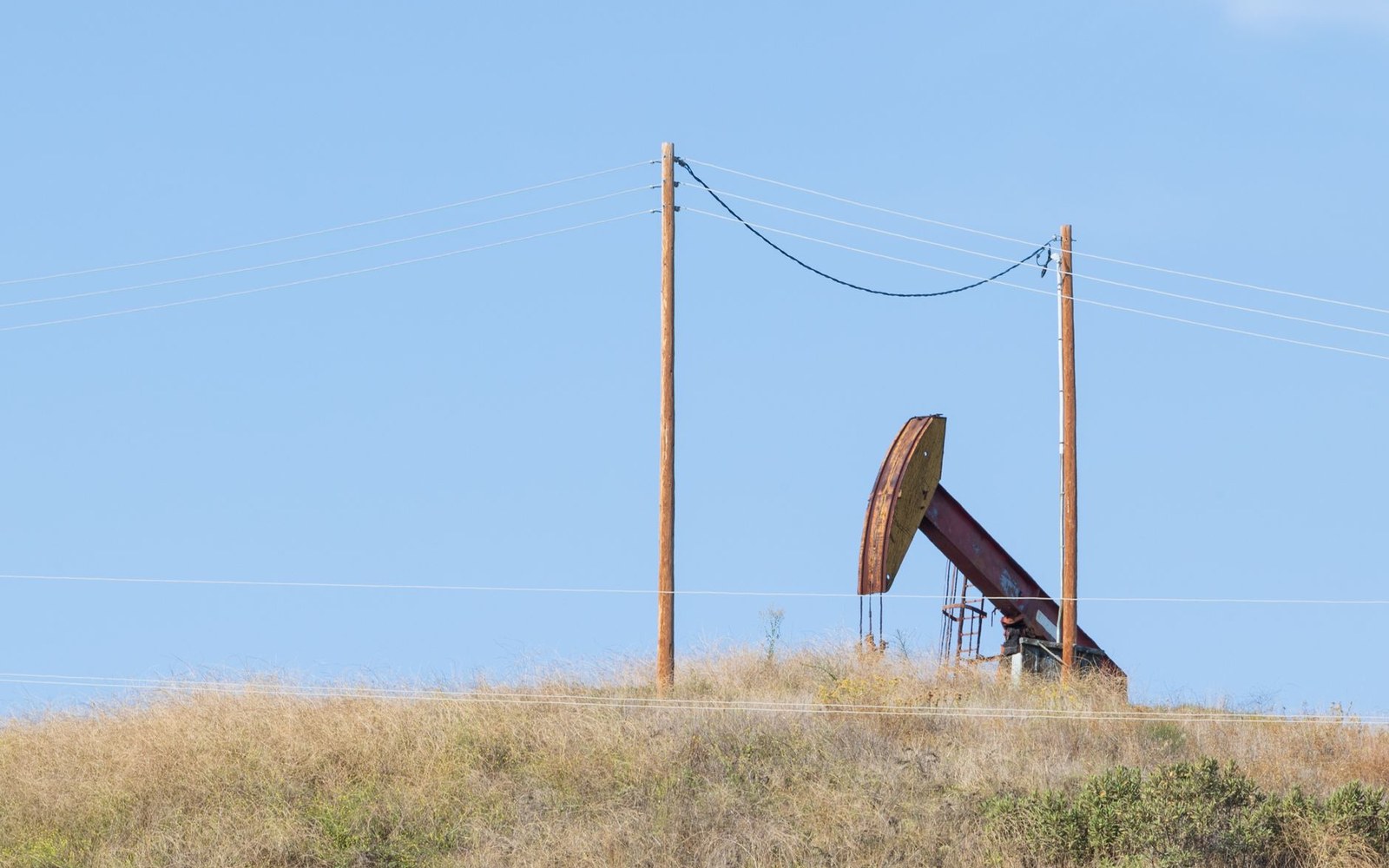
The First Production and the Blowout That Followed
The Caribbean Petroleum Company brought the Zumaque I well at Mene Grande into production in July 1914. The site lies in the eastern shore district of Lake Maracaibo, in Zulia state — terrain that local Barí people had long known for natural oil seeps, and that colonial-era documents recorded as mene, the indigenous term for surface petroleum. The well was not the first drilled in Venezuela, but it was the first to sustain commercial output, making July 1914 the baseline date from which Venezuela's documented oil industry is conventionally measured.
Zumaque I was a modest producer by later standards. What it established was operational proof: that the Maracaibo Basin held extractable petroleum at depths accessible to early twentieth-century drilling technology. Venezuelan Oil Concessions expanded quickly across the district, and by the early 1920s the lake's eastern shore carried a dense pattern of derricks. The concession system that enabled this expansion would eventually generate the structural arguments Juan Pablo Pérez Alfonzo used, decades later, in pressing for national resource sovereignty — arguments that culminated in the founding of OPEC in Baghdad on 14 September 1960.
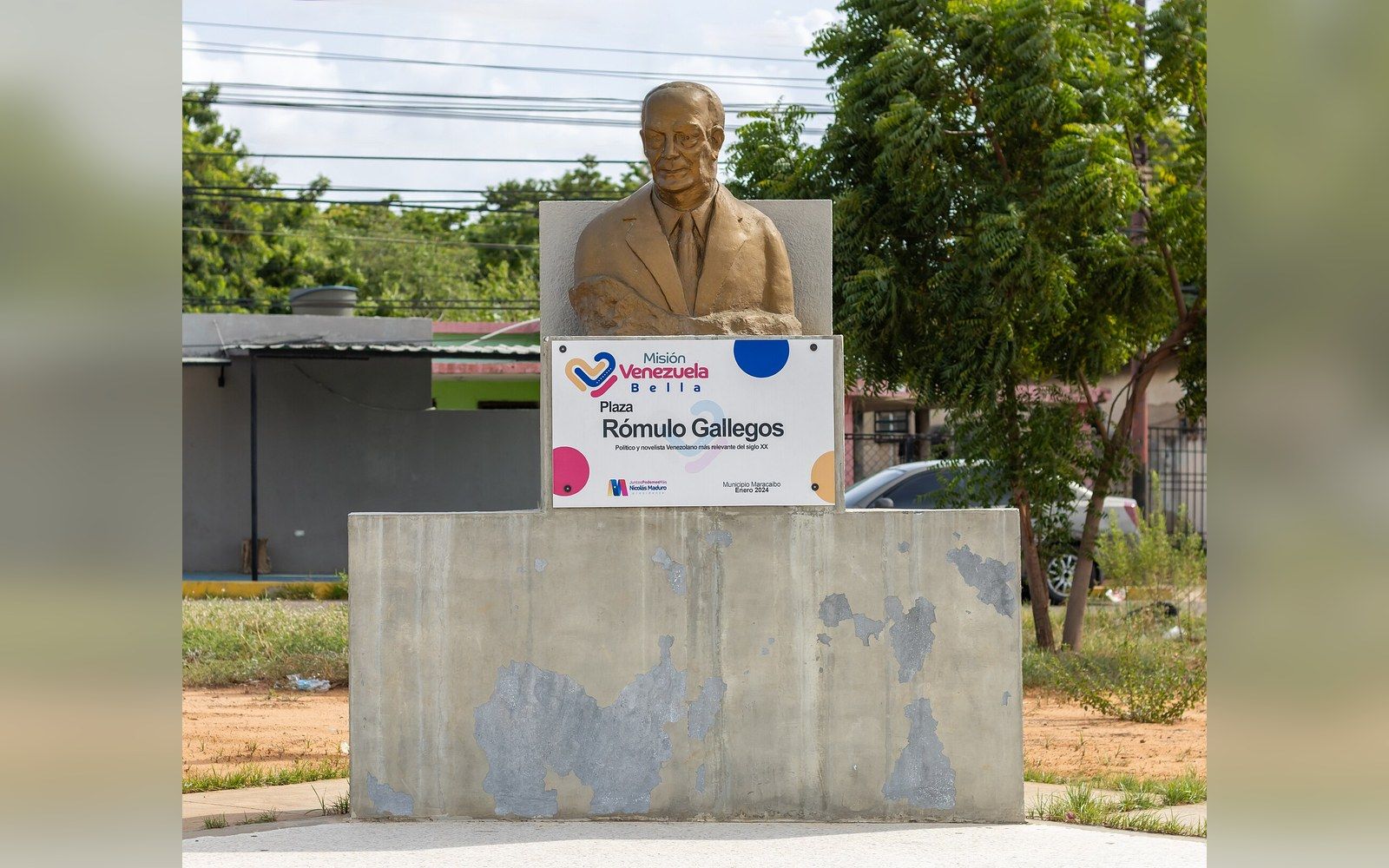
The second event is dramatically different in character. On 14 December 1922, the Barroso No. 2 well — drilled by Venezuelan Oil Concessions at the La Rosa field near Cabimas — blew out without warning. The well discharged at a documented rate of approximately 100,000 barrels per day before crews succeeded in capping it. The blowout lasted nine days. Oil spread across the surrounding landscape and into adjacent waterways; the volume released in that period was large enough to demonstrate, unambiguously, the scale of what the Maracaibo Basin contained.
The Barroso No. 2 blowout transformed international attention. Within months, major concession holders — including Standard Oil of Indiana through its Venezuelan subsidiary — were accelerating exploration across the basin. Lake Maracaibo itself became the site of overwater drilling, with wooden platforms and later steel-jacketed wells positioned across the shallow southern reaches. By 1929, Venezuela was the world's second-largest oil producer and the largest exporter, a position built almost entirely on the Maracaibo Basin geology that Zumaque I had first confirmed as commercially viable in the summer of 1914.
The two wells — a quiet start in July 1914 and a nine-day eruption in December 1922 — together constitute the factual foundation of Venezuela's petroleum record.