What the Novel Records
Published in Barcelona in 1929, Doña Bárbara centres on the conflict between Santos Luzardo, a Caracas-educated landowner, and the formidable Doña Bárbara, who controls the savanna by force and cunning. The plot is allegorical — civilisation against barbarism, law against caprice — but its setting is documentary in its detail. Gallegos knew the Llanos from direct observation: he had travelled the region, and the landscape he renders is the Llanos of seasonal inundation, of interminable grass horizons, of cattle herd and river crossing, of the particular light that flattens everything at noon.
The Llanos themselves span roughly 550,000 km² of tropical savanna plain across Venezuela and Colombia, drained by the Orinoco system in a six-month pulse of flood and withdrawal. Gallegos's narrative moves with that pulse. Santos Luzardo arrives during the dry season to find cracked earth and reduced lagoons; the floods then alter the moral as much as the physical geography, isolating ranches, shifting cattle and forcing alliances. The novel does not use the flood as metaphor alone — it records what the flood actually does to movement, to property, to social order. That faithfulness is why Doña Bárbara retains its authority as a source text for anyone reading the landscape rather than only the allegory.
The Voices the Novel Carries
Gallegos embeds the llanero — the plainsman — as a type shaped by environment. The seasonal rhythm of the Llanos produces a particular labour culture: the hato (cattle ranch), the llanerada (roundup), the management of vast distances by horseback. The novel's characters drink from that culture. The cuatro and the harp — instruments central to joropo, the national music form that grew from Llanos culture — are present as ambient sound, not ornament. The turpial, Venezuela's national bird, moves through the prose as a real species in a real habitat. Gallegos does not explain these things for an urban reader; he assumes the landscape as given.
Doña Bárbara was immediately recognised as a major work, and its reputation has held. In 1967, the Venezuelan government and publisher Monte Ávila established the Premio Internacional Rómulo Gallegos — one of the most significant literary prizes in the Spanish-speaking world — and awarded the inaugural prize to Mario Vargas Llosa for La casa verde. The prize has since been awarded to Gabriel García Márquez, Mario Vargas Llosa and others, placing the Gallegos name at the centre of the Latin American canon.
Fiction as Field Note
What distinguishes Doña Bárbara from novels that merely use landscape as backdrop is that its geography is load-bearing. Remove the Llanos — its specific hydrology, its fauna, its social organisation around the hato — and the plot collapses. Santos Luzardo's legal struggle over the fence that separates his land from Doña Bárbara's is a dispute that could only occur where cattle roam unfenced across a plain with no natural barriers. The capybara grazing at the water's edge, the caiman on the riverbank, the jabiru overhead: these are documented species of exactly this ecosystem, and Gallegos places them as a naturalist would, without sentimentality.
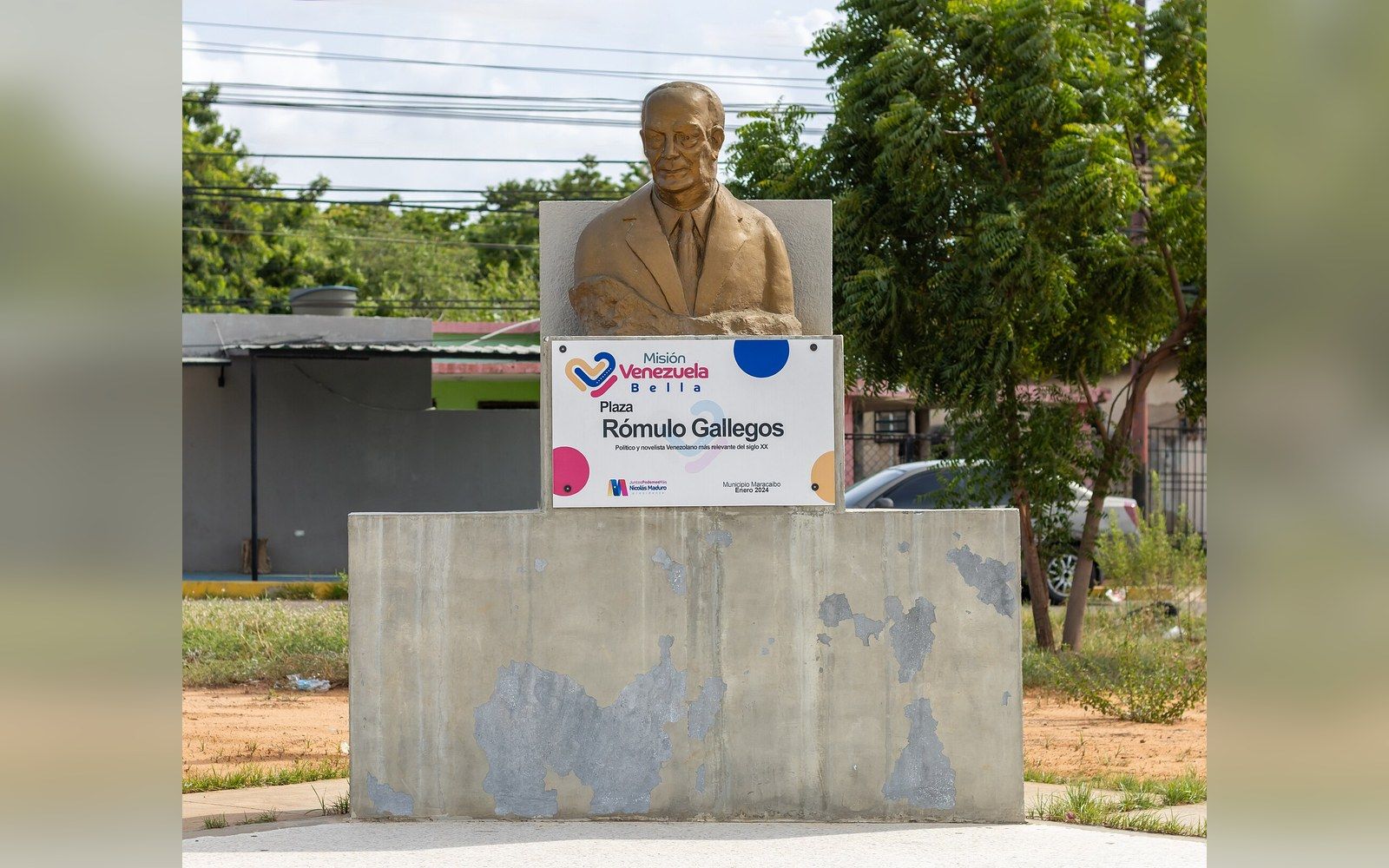
Gallegos was later elected President of Venezuela in 1947, and his political biography has sometimes obscured the disciplined literary intelligence behind the novel. Doña Bárbara was written by a man attending closely to a landscape, finding in its physical facts the grammar of a story. That attentiveness is the reason the novel still reads as a reliable account of the Llanos even when it is read as fiction — the plain and the prose are the same thing, inseparable, each checking the other for truth.