A Forest Built for Return
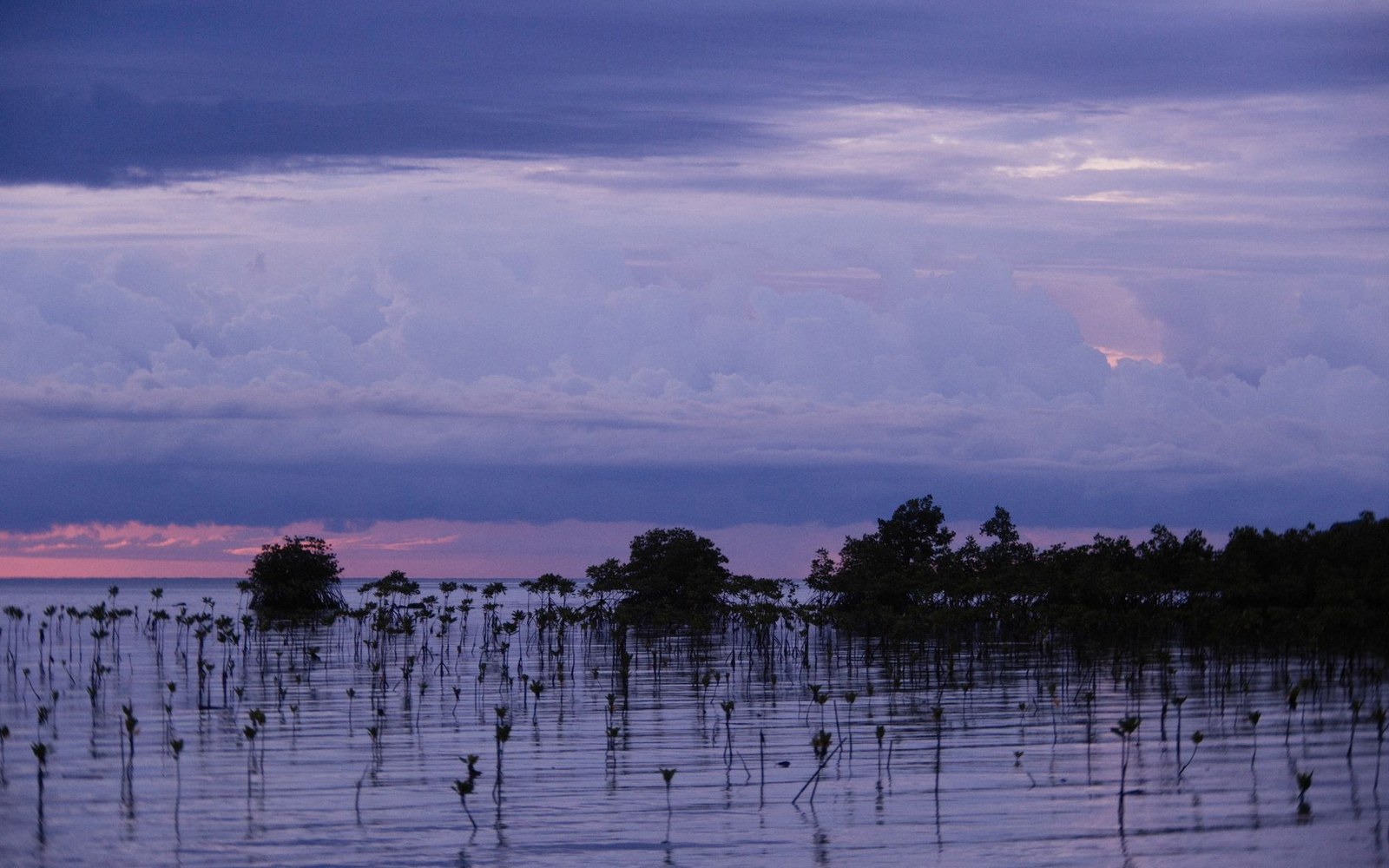
Morrocoy National Park, established by INPARQUES in 1974 along Falcón state's Caribbean coast, protects a mosaic of coral cays, seagrass beds and, critically, one of the most extensive mangrove systems on Venezuela's northern coast. The mangroves are the structural core of the park's ecology: without them, the scarlet ibis would have nowhere to roost.
Four mangrove species dominate the system. Red mangrove (Rhizophora mangle) colonises the water's edge on its distinctive prop-root arches, trapping sediment and creating the shallow, sheltered channels that define the park's interior. Black mangrove (Avicennia germinans) occupies the intertidal zone slightly landward, its pneumatophores — pencil-like aerial roots — projecting from the mud to extract oxygen. White mangrove (Laguncularia racemosa) and buttonwood (Conocarpus erectus) fill the transition to drier ground. Together they form a layered, interlocking system whose canopy provides the stable, predator-buffered platform the ibis requires.
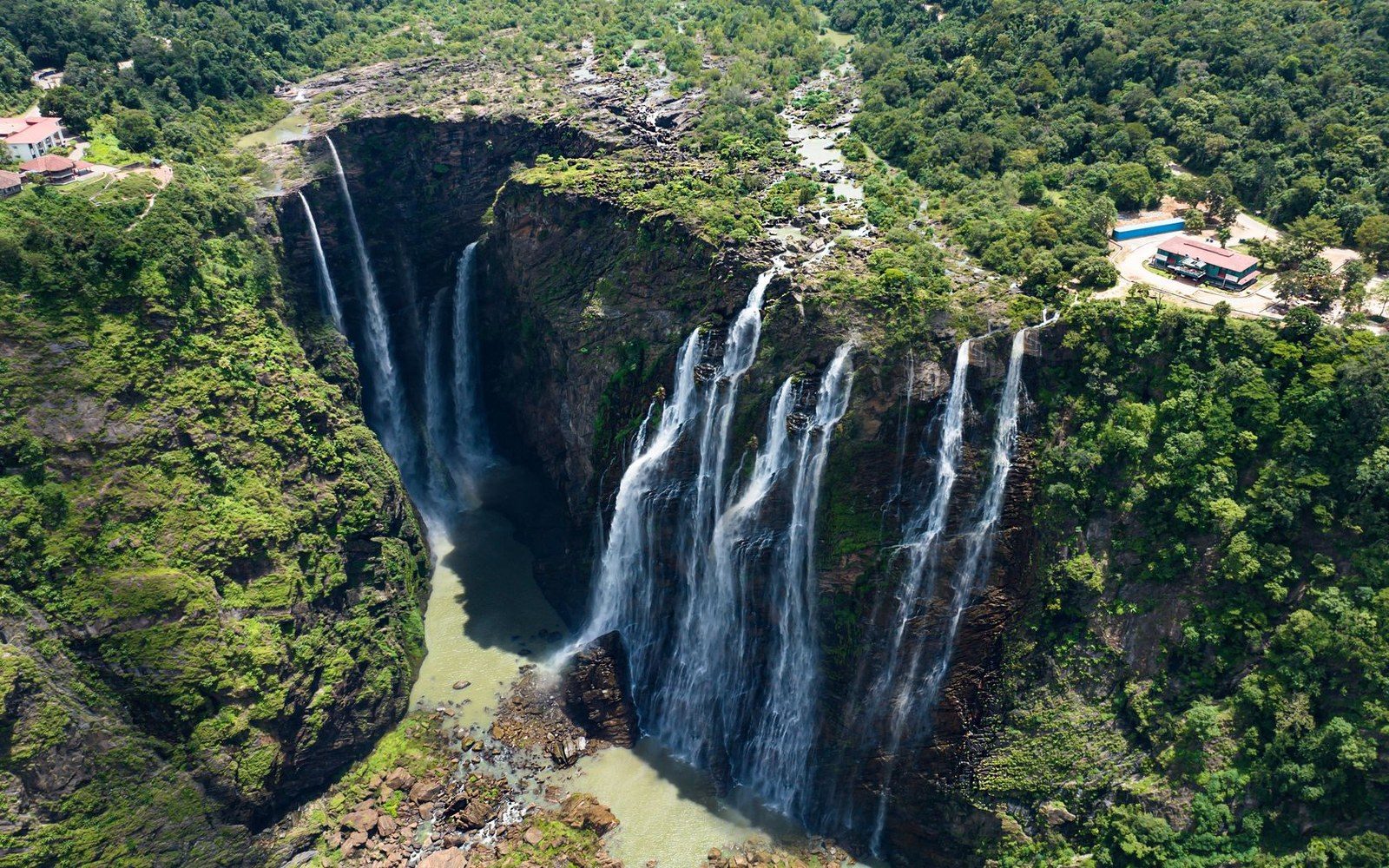
Eudocimus ruber, the scarlet ibis, arrives at Morrocoy's mangrove stands in flocks that build through the late afternoon, their carmine plumage intensifying against the green canopy as the light drops. The roosting behaviour is communal and site-faithful: the birds return to the same stands across seasons, a pattern linked directly to the mangrove's physical stability and its proximity to the tidal mudflats and shallow lagoons where the ibis forages for crustaceans — the carotenoid-rich prey that produces and maintains its colour. Without adequate foraging habitat within commuting range of a secure roost, neither function sustains the other.
The mangrove also supports wading herons, anhingas, roseate spoonbills and the neotropical cormorant, making the roost a mixed-species assembly rather than an ibis monoculture. Crocodiles — specifically the American crocodile (Crocodylus acutus) — are documented in the park's interior channels, and their presence at the water surface below roost trees is a known feature of the system rather than an anomaly.
INPARQUES administers Morrocoy under Venezuela's National Parks Law, with the Ramsar Convention providing an additional international framework for the wetland's protection. The park's mangroves face documented pressure from coastal sedimentation and periodic red-tide events that have affected the cay-adjacent marine zones, but the interior channel forest has remained structurally intact as a roosting habitat.
The spectacle — red birds, green canopy, still water — is a product of the forest's architecture as much as the ibis's biology.