From Mene Grande to the Lake
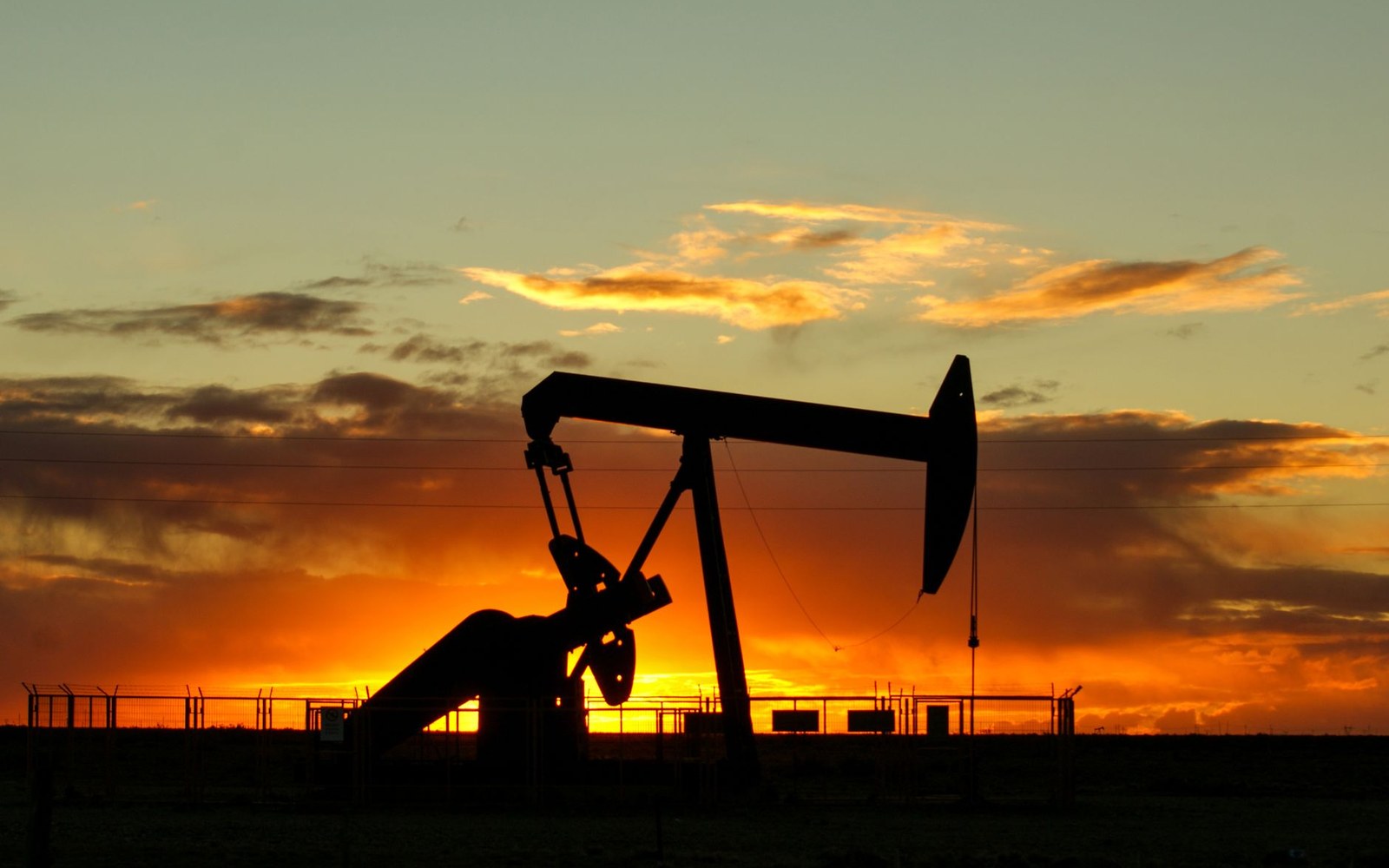
The Zumaque I well, drilled by Caribbean Petroleum Company at Mene Grande in the eastern Maracaibo Basin, struck commercial oil on 31 July 1914. The well reached approximately 135 metres — modest by later standards — and produced consistently enough to mark the formal beginning of Venezuela's petroleum era. The name Mene Grande derives from the indigenous term for the natural oil seeps that had been visible in the area long before any drill bit touched the ground.
The discovery remained significant but contained until December 1922, when the Barroso No. 2 well, also in the Maracaibo Basin, blew out without warning. Oil fountained at an estimated 100,000 barrels per day for nine days before it could be capped — a figure recorded by Shell's own operational reports of the period and confirmed by subsequent Venezuelan petroleum history archives. The Barroso blowout announced to international oil markets that the Maracaibo Basin held reserves on a scale that dwarfed most of what was then known outside the Middle East.
What followed on Lake Maracaibo itself was a physical transformation that remains visible in aerial photographs. Hundreds of drilling platforms advanced into the lake from the early 1920s onward, requiring the dredging of a deep navigation channel — the Bar of Maracaibo — so that tankers of increasing draught could reach the loading terminals. The Rafael Urdaneta Bridge, completed in 1962 and designed by Riccardo Morandi, was built high enough to let those tankers pass beneath its deck. By the mid-twentieth century, Lake Maracaibo held one of the densest concentrations of oil infrastructure of any inland water body on earth, its southern shore industrialised across tens of kilometres of former wetland.
Mene Grande is now a documented site in Venezuela's industrial geography, the physical starting point of an industry whose later architecture — pipelines, refineries, offshore platforms — defined the Maracaibo region's built environment as completely as any planned city.